


Maybe it's been two years. Maybe it's closer to ten. Fear of the chair, dread of a lecture, worry about what a stranger will think when they look in your mouth. Those feelings keep people away far longer than they ever intended, and they're more common than most dental offices admit.
Choosing the right dentist when you have anxiety means evaluating more than clinical skill. It means finding a practice that treats your fear as a real part of your care, not something to push through. This guide covers exactly what to look for and what to ask before you book.
Call (813) 755-1800 and ask whatever you want to our team at Deliz Dental Studio in Valrico. You're not committing to anything.
The way a dental office presents itself tells you a fair amount about how it will treat you in person. Before you pick up the phone, read the site the way you'd read a first message from a stranger. Does anything on it acknowledge that some patients are nervous, or does everything assume someone who already has cleanings on a tidy six-month schedule?
A practice genuinely set up for anxious patients tends to say so plainly instead of tucking it under a word like "comfort." Look for specifics: what a first visit actually involves, whether a consultation without treatment is an option, and what comfort measures are offered by name. Vagueness on a website usually means vagueness in the treatment room. Nervous patients tend to mention it in reviews when they were treated well, so those are worth reading too.
Then make the call and listen to tone rather than script. When you say "it's been a long time and I'm nervous," does the person on the other end soften, or move straight to available Tuesdays? If the call leaves you tenser than when you dialed, cross them off and try the next one.
Many people assume sedation is reserved for wisdom teeth or complicated extractions. Oral conscious sedation is a reasonable option for routine work too: the cleaning you've been dreading, a filling, a crown appointment, a longer restorative visit. Most anxious patients never bring it up because they don't know it's available for ordinary visits. We offer it for patients who want it, and it shapes how appointments here get planned.
A practice that handles sedation carefully will explain what you'll feel, whether your health history and current medications make it a safe fit, and how you'll get home afterward, because sedation always requires a ride. They'll also tell you honestly when it isn't the right call for what you're having done. A vague reply, or a breezy "oh, you'll be fine," usually means comfort planning isn't something they think through deliberately. Look for a clear process, not just a reassuring tone.
Sedation isn't the only option, and you don't have to choose it to be taken seriously. Ask about:
Individually, these sound minor. Together, they're often the difference between an appointment you finish and one you cancel the morning of.

Much of dental anxiety has surprisingly little to do with pain. It's about not knowing what's coming next, and when things happen to you with no warning, your body tenses up regardless. What helps most isn't just a gentler touch. It's a dentist who talks you through what's happening before it happens.
A dentist who tells you what they're about to do, checks in while they're doing it, and stops when you ask gives your brain the one thing anxiety actually responds to: a sense of being in the loop. In practice, that looks like:
The dread that keeps people in the parking lot is rarely about the procedure itself. It is the anticipation of the look, the sigh, the lecture that lands like a verdict. The longer the gap, the more embarrassing it feels, and the more reason there is to wait another quarter. Meanwhile the small fixable thing quietly becomes a larger one.
Breaking that cycle means finding a team that refuses to participate in it. After a long gap, the conversation should be about where your mouth is right now and what the sensible next step is. Before you book, ask whether the first visit can be an exam and a conversation rather than a full cleaning. A practice used to patients who have been away will already have a version of that appointment ready to describe.

Anxiety and language are more connected than people expect. When you're already tense, having to translate your symptoms, your questions, or your medical history on the spot adds a layer of stress that has nothing to do with dentistry. It also makes it harder to speak up during the appointment, which is exactly when speaking up matters most.
Dr. Deliz practices in both English and Spanish, which matters for patients who think in Spanish and for anyone bringing a parent or grandparent who'd rather explain things themselves than have you interpret. Being able to say what's wrong in your own words and understand the answer the first time you hear it belongs on your list of comfort options right next to sedation.
For most people, yes. Whether it's the right option depends on your health history, the medications you take, and what kind of appointment you're facing. That's a conversation to have before booking, not on the day.
You'll be asked, because the length of the gap changes what a first visit involves. After several years, a full set of X-rays is usually needed, since decay between teeth and changes under old fillings or crowns don't show up in a visual exam. Expect a check of your gums, a look at anything previously flagged, and a scan of the soft tissue in your mouth for anything unusual. The goal is to understand where things stand now, not to audit how you got there.
Yes, and it's a reasonable place to start if booking the appointment is the part that stops you. A consultation lets you meet the team, see the space, and ask your questions with nothing scheduled and nothing decided. You can meet Dr. Deliz before you ever sit in a chair.
Then you stop. Set up a hand signal before the appointment starts so you don't have to find words for it in the moment. Any practice that treats stopping as an interruption rather than a normal part of care isn't the right fit for you.
If it helps, yes. Ask ahead of time whether someone can sit with you during the visit. If you're considering oral conscious sedation, you'll need a ride home afterward, so plan for that when you schedule.
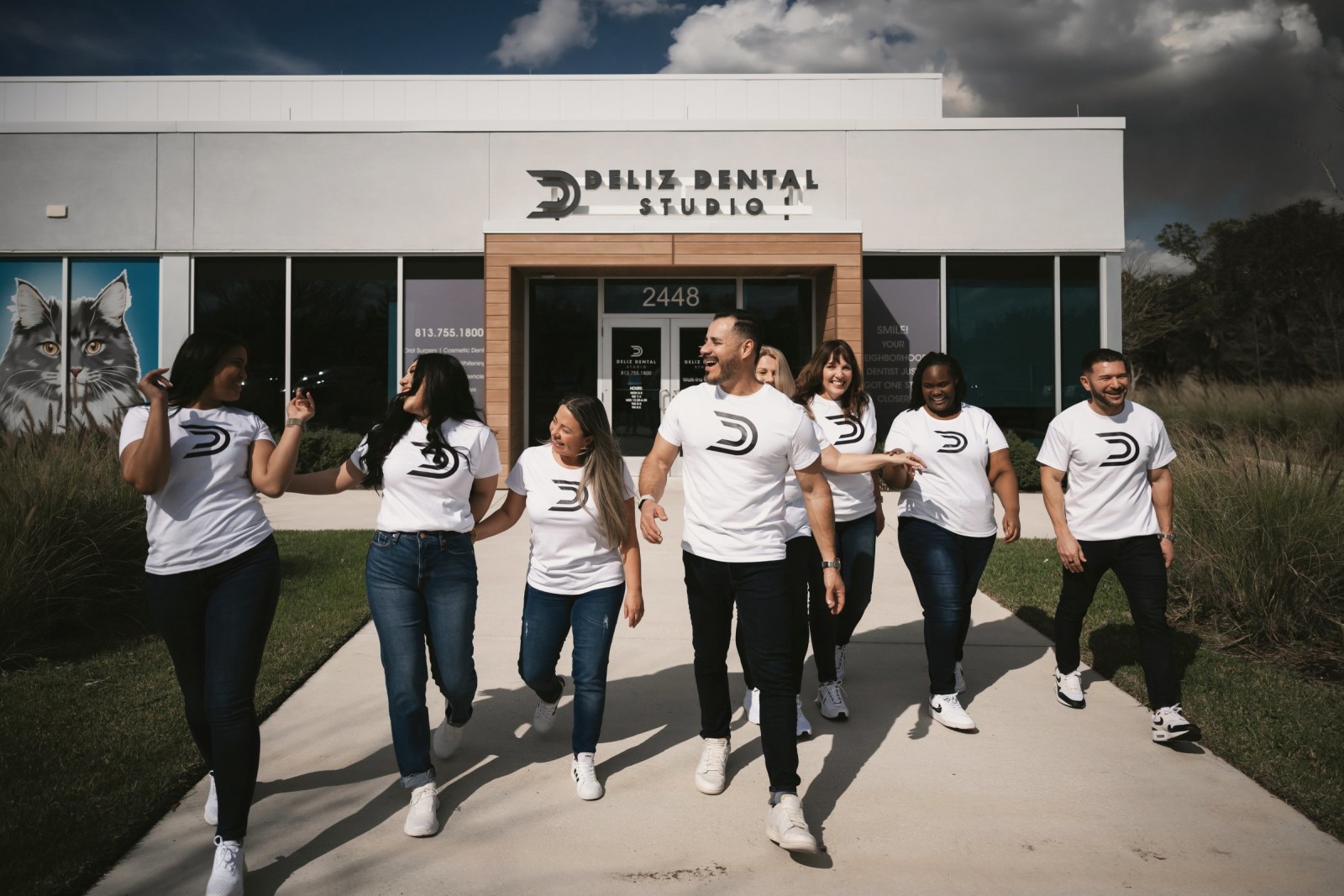
People with dental anxiety often end up settling, not because they stop caring, but because the goal quietly shrinks to "just get through the appointment." The right practice changes that. It is the difference between one visit you survived and care you will actually keep up with.
If you want to start with a conversation before anything else, we are at 2448 Bloomingdale Avenue in Valrico. Call (813) 755-1800, let whoever answers know you are nervous, and ask anything you need before you put a date on the calendar. You can also read what other patients have said, or meet Dr. Deliz before you ever sit in a chair.
Have a question? Call (813) 755-1800 or text us at (813) 548-5439. Ready to schedule an appointment? We're ready to see you!


